Blog
Insighty o widoczności w AI, optymalizacji GEO i Agentic Web.
Jak dobrać buty trekkingowe: rozmiar, podeszwa i test przed wyjściem w góry
Jak dobrać buty trekkingowe do trasy i sprawdzić ich dopasowanie Buty trekkingowe dobiera się do nawierzchni, długości wędrówki i obciążenia plecakiem, a ostateczną decyzję podejmuje po przymiarce w ruchu. Cholewka, podeszwa i bieżnik powinny odpowiadać trasie; rozmiar musi zostawiać miejsce palcom bez nadmiernego przesuwania się pięty. Jako MebleLampy2 zajmujemy się meblami, oświetleniem i dekoracjami, a […]
Firmy i usługi do optymalizacji widoczności AI: porównanie ofert pod marketing i SEO
Firmy i usługi do optymalizacji widoczności AI: porównanie ofert pod marketing i SEO Wybór partnera do optymalizacji widoczności AI to decyzja o tym, kto realnie pomoże Twojemu zespołowi zrozumieć i poprawić obecność marki w wynikach generatywnych oraz w klasycznym ruchu organicznym. Artykuł zestawia profile dostawców, ich mocne strony i scenariusze użycia, tak aby ułatwić selekcję […]
Choosing the Right AEO/GEO Tool: A Comparison of 2026 Platforms
The AEO/GEO software market is getting crowded fast, but most platforms still solve different parts of the problem. This guide explains how to evaluate 2026 tools like Scrunch, Adobe LLM Optimizer, AthenaHQ, Bluefish, Peec AI, Profound, and Semrush AI Visibility Toolkit, and which capabilities matter most if you want more than a dashboard.
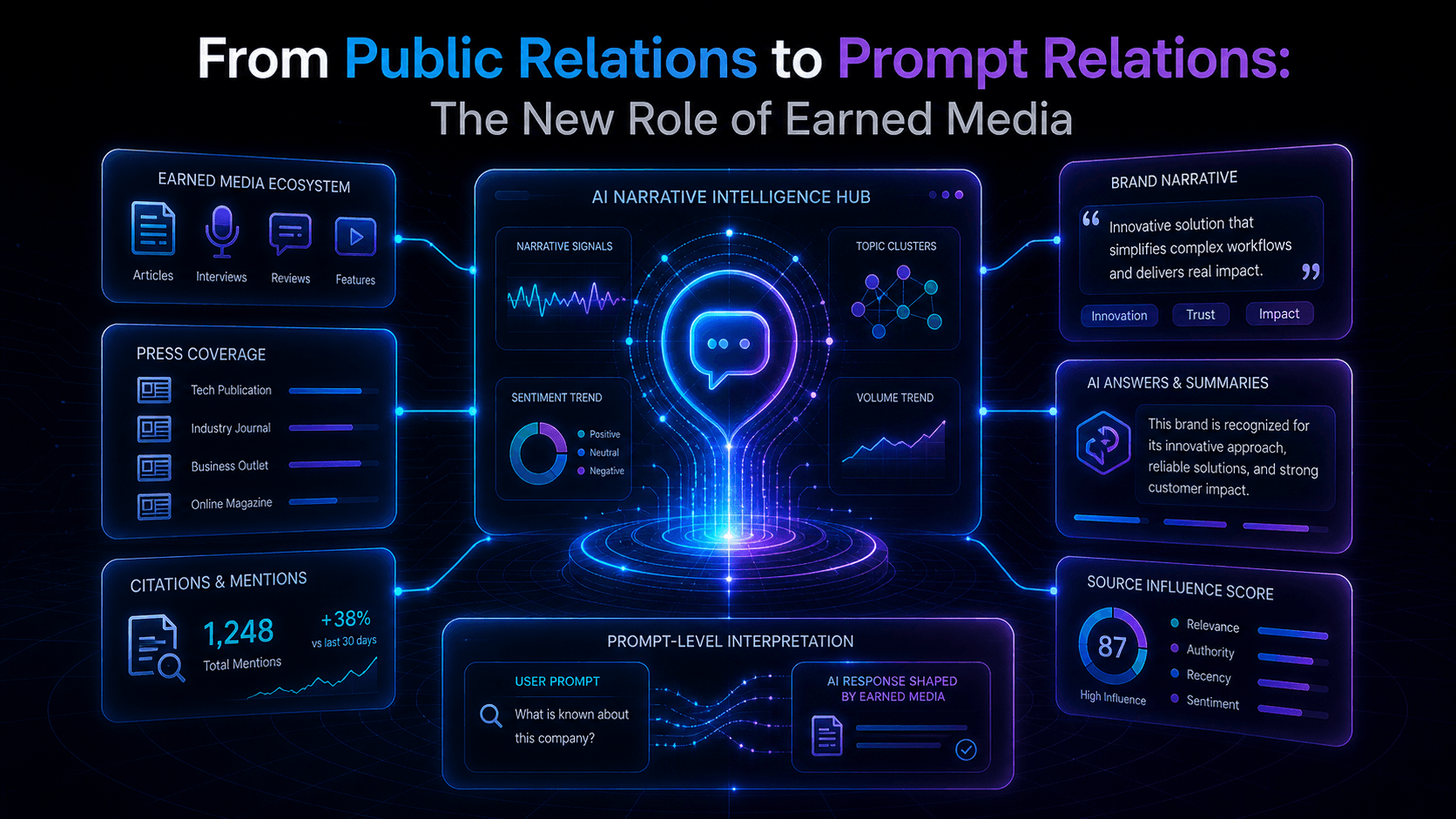
From Public Relations to Prompt Relations: The New Role of Earned Media
AI visibility is changing the job of PR. In 2026, earned media is no longer only about reputation, coverage, and backlinks. It is becoming one of the main ways brands shape how AI systems describe them, compare them, and recommend them.

Protecting Your Brand in the Agentic Internet: Balancing Access and Security
The agentic internet creates a new tension for digital teams. Brands want to stay visible to AI systems and accessible to helpful agents, but they also need to reduce scraping, account abuse, and risky automation. This guide explains how to balance AI access with cybersecurity, trust, and control.

E-E-A-T and GEO-Friendly Content: Building Authority for AI Citation
AI systems do not reward content just because it exists. They reward content that looks credible, current, well-structured, and supported by evidence. This guide explains how to create GEO-friendly content using E-E-A-T principles so your brand has a stronger chance of being understood, trusted, and cited in AI-generated answers.
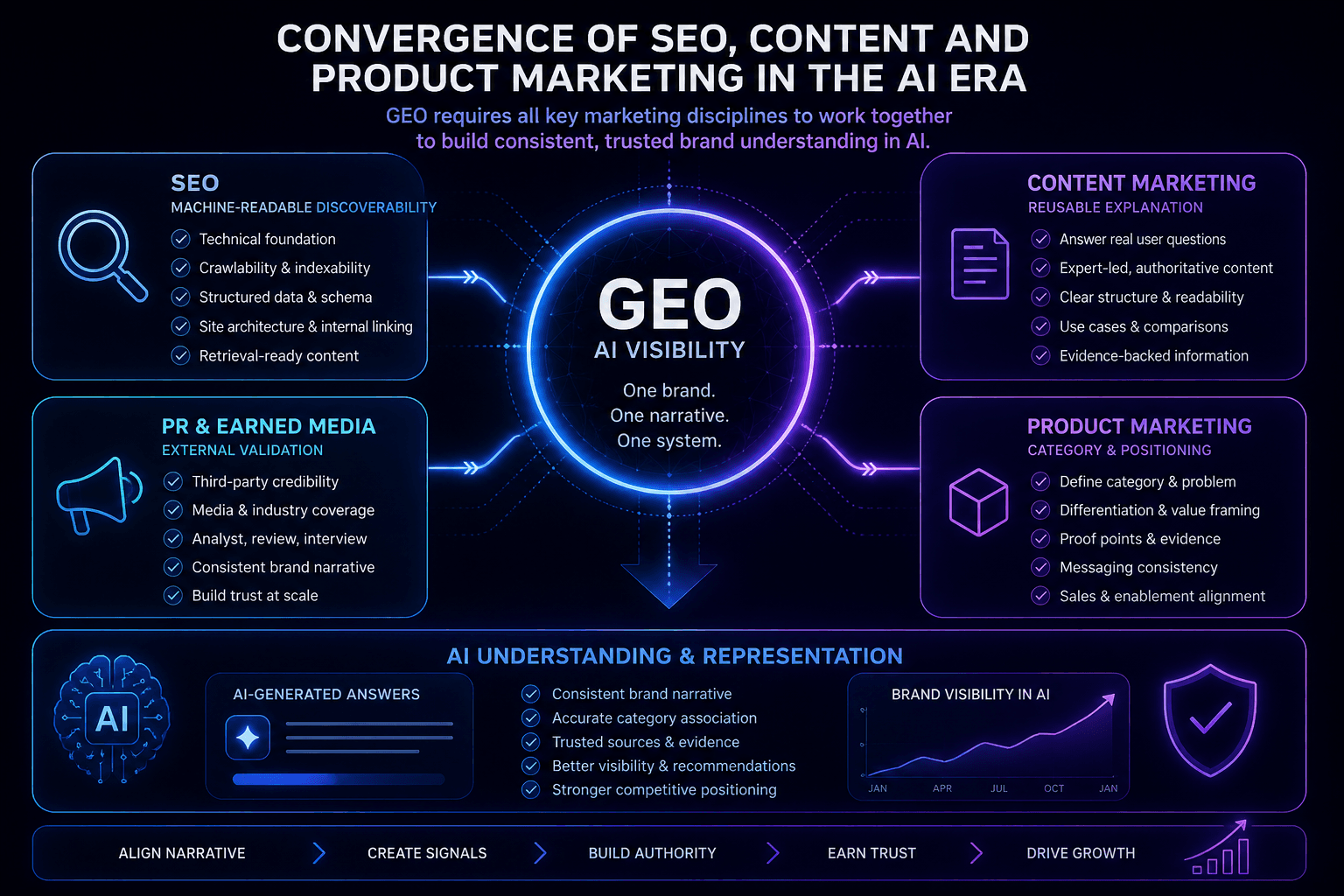
Convergence of SEO, Content and Product Marketing in the AI Era
GEO is changing how marketing functions work together. In the AI era, SEO, content, PR, and product marketing can no longer operate as separate lanes because AI systems build brand understanding from all of them at once. Brandi AI’s 2026 view is clear: the brands that win will be the ones that align these disciplines into one consistent narrative system.
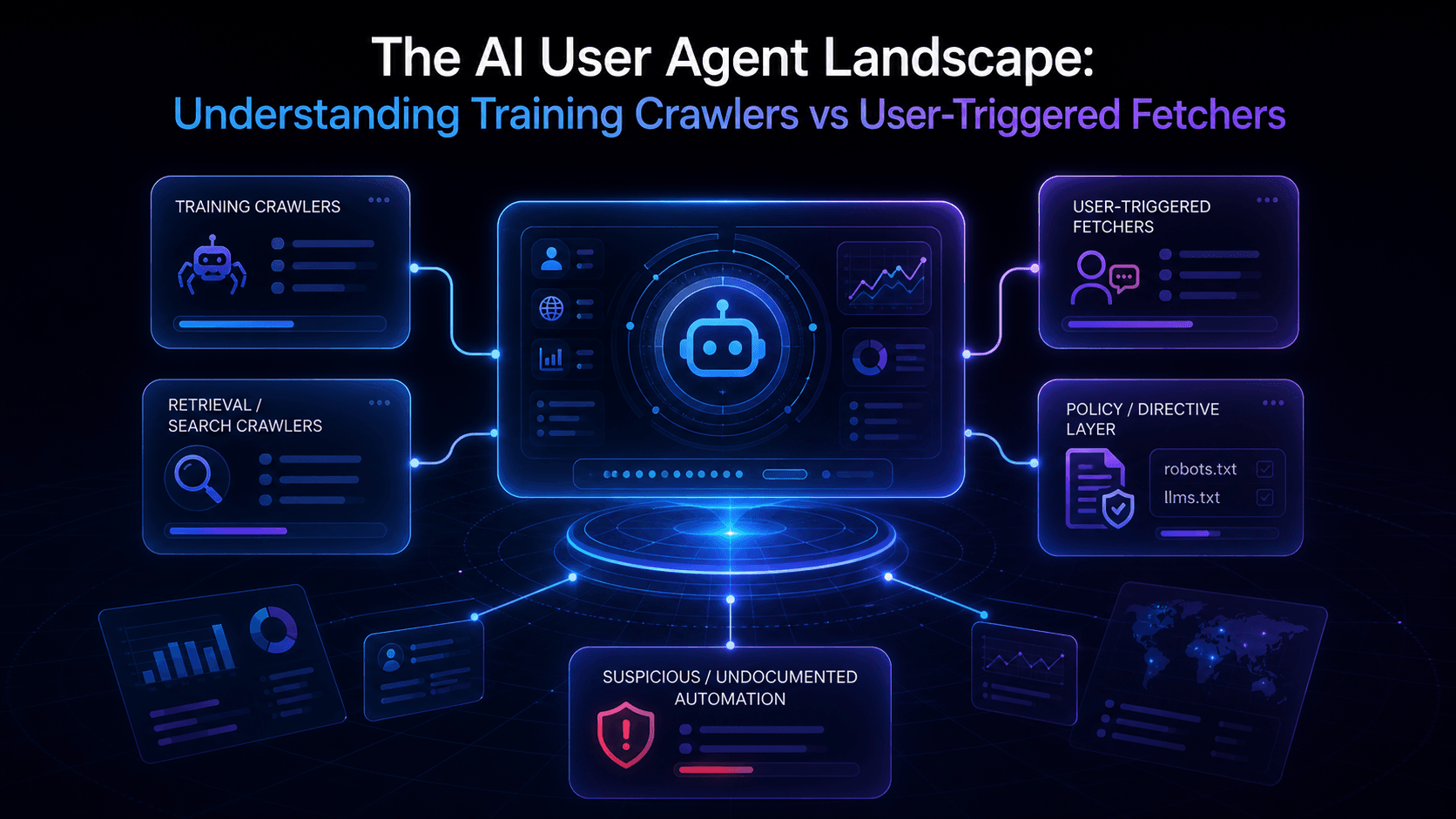
The AI User Agent Landscape: Understanding Training Crawlers vs User-Triggered Fetchers
Not all AI bots do the same job. Some collect data for model training, some support retrieval and search visibility, some fetch pages only when a user asks, and others should not be trusted at all. This guide explains the five major categories of AI user agents in 2026 and how to manage them with clearer rules in robots.txt and llms.txt.

How to Track LLM Mentions: Key Features to Look for in 2026
Counting AI mentions is no longer enough. In 2026, the best LLM tracking platforms must show platform coverage, prompt-level visibility, source attribution, and answer accuracy so teams can understand not just where they appear, but why they appear and what to do next.

Technical AI Readiness: Clean HTML, Schema and llms.txt
AI visibility starts long before prompts and citations. Learn how clean HTML, semantic structure, schema markup, robots.txt, and llms.txt shape whether AI crawlers can access, understand, and reuse your content.

Answer-First Page Design: The Two-Sentence Test for GEO
Most content still hides the answer too deep in the page. In AI search, that is a visibility problem. This article explains the answer-first content model, the two-sentence test, and how the inverted pyramid helps pages become easier for both humans and AI systems to understand, extract, and cite.

AI Traffic Explosion: What 7,851% Growth Means for Cybersecurity
AI traffic is no longer just about crawlers reading pages. In 2025, AI agent activity surged by 7,851%, and some automated systems moved from browsing the web to completing real actions online. This article explains why that changes cybersecurity, fraud detection, and how brands should think about trusted versus risky automation.
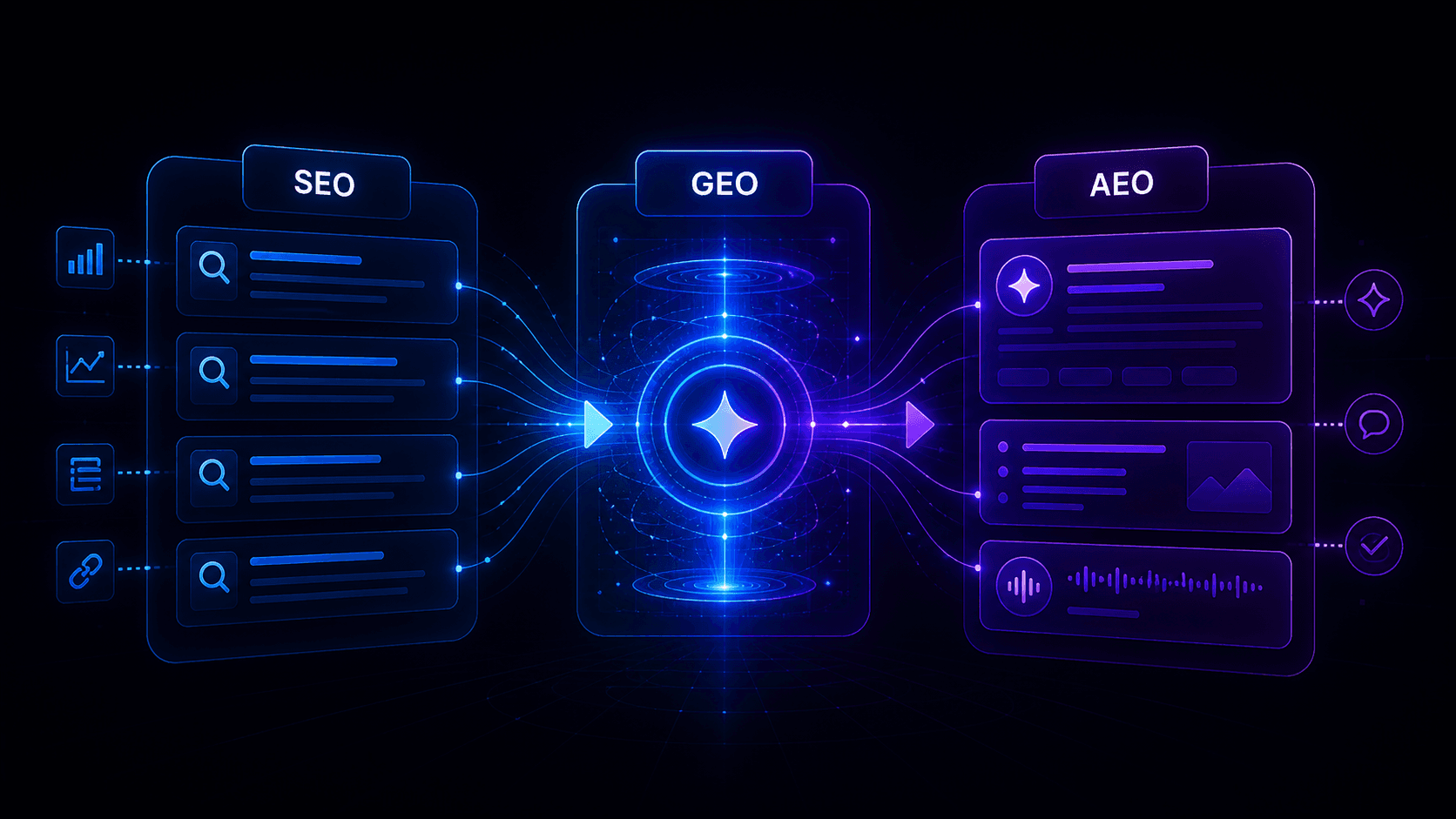
GEO vs SEO vs AEO: how AI-first discovery changes the rules
SEO is no longer enough. Learn how GEO and AEO help brands become visible, trusted, and recommended in AI-generated answers across ChatGPT, Perplexity, Gemini, and more.

Prompt‑Oriented Keyword Research: Mining Questions for AI Visibility
AI search doesn’t work like the ten‑blue‑links model. Instead of short keywords, people ask conversational questions and follow up with clarifying prompts. This article explains why “prompt research” matters, how to discover and cluster real user questions from forums, chat logs and AI outputs, and how to use those insights to design content that shows up in generative answers.